
How close can you park to a fire hydrant is a question many drivers think about because even a small mistake can cause serious problems. In many countries including places like Pakistan and the United States fire hydrant parking distance rules are strict to make sure firefighters can reach the fire hydrant quickly during an emergency. Most areas require you to stay at least 15 feet away from the hydrant on either side. If you park within that distance it becomes hard for fire crews to connect hoses pull out equipment or get to the water supply fast.
Reviewed by Fernando J. Lopez, Texas personal injury attorney, State Bar of Texas #24060186. Last updated August 19, 2026.
This slows down fire suppression efforts and puts lives and property at greater risk. These rules are not just about avoiding a ticket or tow they exist to support fire safety and help save lives. Questions like how far do you have to park from a fire hydrant or how far away from a fire hydrant can you park can vary slightly by city or country but the main idea remains the same keep hydrants accessible at all times. Let us look in detail at how these rules work and what you need to remember when parking near one.
Parking Rules Near Fire Hydrants
People often wonder about parking rules near fire hydrants because a simple mistake can lead to big problems. You can not park within certain distances or you risk blocking access when firefighters need it most. Many places set clear limits so fire crews can reach the fire hydrant fast during an emergency. Parking too close stops them from connecting hoses or getting water supply for fire suppression efforts. This rule helps protect lives and property. In most areas you face fines or a tow if your car sits too near. Keeping space open around fire hydrants matters for fire safety and quick response. Drivers should always check signs or local laws to stay safe and avoid trouble.
How far do you have to park from a fire hydrant
How far do you have to park from a fire hydrant depends on local rules but many spots require at least 15 feet. You must stay away from a hydrant so emergency responders have room to work. Parking near one closer than that often means you’re too close and could impede access. Firefighters need clear space to use the hydrant pull out equipment and deploy hoses. If you park within the limit you break the law and might get a hydrant ticket. Some areas allow less distance on one side but the standard keeps hydrants accessible. Always look for painted curbs or signs that show the correct distance. Staying far enough helps fire protection and keeps everyone safer.
How far away from a fire hydrant can you park
How far away from a fire hydrant can you park follows strict guidelines in most places. You can not get closer than 15 feet on either side in many cities. This gives fire engines and firefighter teams enough room to operate without delay.
How close can you park to a fire hydrant often tops out at that mark to prevent any block. Parking near a fire hydrant any nearer puts your vehicle in the no go zone. Some spots mark it with 15 feet of a fire hydrant warnings or curb colors. Parking distance rules exist so nobody blocks hydrants during a crisis. Follow the limit to avoid getting a ticket or causing extra risk. Safe parking means leaving proper space for quick action.
Fire hydrant parking distance
Fire hydrant parking distance usually sits at 15 feet in standard rules across many states. You may not park closer than 15 feet from a fire hydrant to keep the area open. This parking distance from fire hydrant lets crews hook up lines and fight fires without moving cars first. How many feet from fire hydrant clearance matters because every second counts in emergencies.
Some locations use 10 feet on certain sides but 15 feet remains common. How far from fire hydrant you stay affects whether you legally park or face penalties. Hydrant parking restrictions aim to stop anyone from parking too close or park in front of one. Check your area because rules can shift slightly but the goal stays the same. Clear access saves time and helps put out fires faster.
How far do you have to be from a fire hydrant
How far do you have to be from a fire hydrant ties directly to safety rules that most drivers follow. The typical answer lands at 15 feet so responders can reach the water supply without issues. You can not park next or park next to a fire hydrant because it blocks their path. How far from a fire hydrant you position your car keeps unobstructed access for connect hose lines.
Parking near hydrants closer than allowed often leads to trouble like a tow. How many feet do you have to park away from a fire hydrant answers come from local codes that protect fire department work. Can you park in front of a fire hydrant no because even the front of hydrants needs space. Fire hydrant in every neighborhood follows similar ideas to make sure help arrives fast.
How many feet do you have to park away from a fire hydrant
How many feet do you have to park away from a fire hydrant comes down to 15 feet in the majority of places. This distance stops you from park within 15 feet and keeps the spot ready for use. How far to park from fire hydrant rules make sure fire hydrant parking rules get followed. In texas law and many other areas the same 15 feet from a fire hydrant limit applies.
You can not park within five feet or any closer because it creates danger. How close to a fire hydrant can you park in texas follows the same standard. You may not park closer than 15 feet from a fire hydrant to avoid breaking the law. Vehicle within 15 feet often means risk of getting fined. How far can you park from a fire hydrant stays clear with this number so fire safety holds strong.
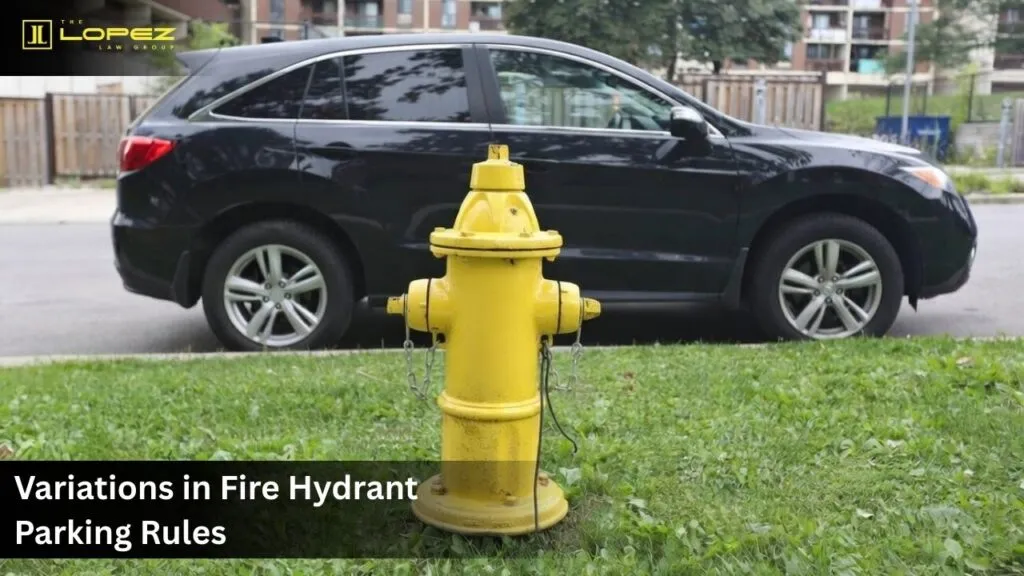
Variations in Fire Hydrant Parking Rules
Fire hydrant parking rules change from place to place even though the main idea stays the same. Most spots use 15 feet as a guide to keep hydrants accessible but some areas adjust the number based on local needs. You can not always count on one rule everywhere.
Drivers face different parking restrictions depending on where they live or visit. This helps fire department teams get quick access to fire hydrants no matter the spot. Some places mark clear zones with signs or paint while others rely on state laws. Knowing the variations in fire hydrant parking rules stops surprises like tickets or tows. Always check local signs because rules shift to fit the area and keep fire safety strong.
Are fire hydrant parking rules the same in every state
Are fire hydrant parking rules the same in every state no they differ quite a bit. Some states set a firm 15 feet rule while others allow 10 feet on one side or require more space in busy zones. Texas law often sticks to 15 feet but nearby states might tweak it. Many follow similar ideas from model codes but cities and counties add their own twists.
You may not find one number that fits all across the country. State by state differences come from local fire risks traffic and building setups. How close can you park to a fire hydrant changes with these rules so check your state code or signs. The goal stays the same keep unobstructed access for fire crews but the exact parking distance varies.
What is the fire hydrant parking distance in small towns versus big cities
What is the fire hydrant parking distance in small towns versus big cities often shows clear differences. Small towns might use 15 feet or even less like 10 feet because streets stay quieter and fewer cars cause blocks. Big cities usually stick strict to 15 feet or demand more space due to heavy traffic and taller buildings. Parking near fire hydrants in urban spots faces tighter enforcement with frequent patrols and tows.
Small towns sometimes relax a bit if hydrants sit far apart. Both aim to give fire engines room but cities enforce harder to handle crowds. How far do you have to be from a fire hydrant can feel stricter in busy areas. Look at local signs because the correct distance shifts with town size and needs.
Do rural areas have the same fire hydrant parking distance as cities
Do rural areas have the same fire hydrant parking distance as cities usually no they do not match exactly. Rural spots often have fewer hydrants so rules might allow parking closer like within 10 feet on some sides or use looser limits. Cities keep 15 feet standard to manage constant traffic and quick response needs. In open country roads fewer cars mean less risk of blocking so enforcement stays lighter.
Parking near hydrants in rural places sometimes ignores the full 15 feet if no sign says otherwise. Both protect water supply access but rural rules adapt to low density. Fire hydrant parking rules bend to fit the setting. Always watch for posted limits because how far from a fire hydrant you stay matters even in quiet areas.
Does the fire hydrant parking distance change in residential vs commercial areas
Does the fire hydrant parking distance change in residential vs commercial areas yes it often does. Residential streets might stick to basic 15 feet but allow parking on one side closer if space stays open. Commercial zones with shops and offices usually enforce 15 feet stricter or add extra feet because of higher traffic and bigger risks. Parking near a fire hydrant in busy business districts faces more tickets to keep paths clear for fire suppression efforts.
Homes areas sometimes see painted curbs or signs that match city rules but with less patrol. How close to a fire hydrant can you park tightens up where people gather more. The parking distance from fire hydrant adjusts to protect lives and property based on area use.
Do school zones or hospitals have stricter fire hydrant parking distance
Do school zones or hospitals have stricter fire hydrant parking distance yes many times they do. These spots add extra rules or bump the clearance beyond 15 feet to make sure fire crews reach fast during emergencies with kids or patients. School zones often ban parking near hydrants entirely or mark wider no zones. Hospitals use similar tough limits because delays hurt more there.
Parking near fire hydrants closer than normal gets quick enforcement like immediate tows. How many feet do you have to park away from a fire hydrant grows in these sensitive areas. Signs and red curbs show the stricter fire hydrant parking distance. The goal keeps emergency access wide open where lives hang in the balance every day.
Are there any places where you can park closer than 15 feet to a fire hydrant
Are there any places where you can park closer than 15 feet to a fire hydrant yes some spots allow it under special conditions. Certain cities let you park within 15 feet on the side away from the street if you leave the front clear. A few areas use 10 feet as the minimum or less on private lots. Rural roads sometimes skip the full 15 feet when hydrants sit far from traffic. Some signs say park within five feet ok if you do not block the outlet.
Can you park in front of a fire hydrant no but sides might bend the rule. States allow you to park closer in low risk zones or with painted allowances. Always follow posted signs because legally park closer stays rare and local rules decide. Breaking the standard still risks a hydrant ticket.
Signs Markings and Measurement
Signs markings and measurement play a big part in following fire hydrant parking rules. Cities use clear ways to show drivers where not to park near a fire hydrant. Painted curbs signs and sometimes measurements on the ground help keep the area open.
These tools make sure fire crews can reach the fire hydrant fast without moving cars. Ignoring them often leads to tickets or tows. Good drivers learn to spot these clues right away. They protect fire safety by keeping hydrants accessible at all times. Knowing what to look for stops mistakes and keeps everyone safer on the road.
What signs or markings indicate the fire hydrant parking distance
What signs or markings indicate the fire hydrant parking distance includes red painted curbs yellow ones in some spots and posted no parking signs. Red curbs often mean no stopping or parking within the marked zone near a fire hydrant. Signs might say no parking 15 feet or fire lane keep clear. Some places paint arrows or lines to show the exact 15 feet limit on each side.
White or blue markings sometimes appear but red stays most common for hydrant parking bans. Look for small signs attached to the fire hydrant itself or poles nearby. These markings give visual warnings so you know how far from a fire hydrant to stay. They help prevent parking too close and make rules easy to follow even for new drivers.
Do red curbs always mean no parking near fire hydrants
Do red curbs always mean no parking near fire hydrants not always but in many places yes they do. Red painted curbs often signal no stopping no standing and no parking especially around fire hydrants or fire lanes. The color warns drivers to keep clear for emergency access. Some cities use red only for fire zones while others apply it to bus stops or loading areas too.
When you see red near a fire hydrant it usually means stay away from a hydrant at least 15 feet or follow the painted length. Not every red curb ties to a hydrant but most do in urban spots. Check for nearby hydrants or signs to confirm. Red curbs help fire department teams work fast so treat them serious to avoid fines.
How to measure the correct parking distance from a fire hydrant
How to measure the correct parking distance from a fire hydrant starts with counting steps or using a tape measure if needed. Most rules say stay at least 15 feet away so pace out about five big steps from the hydrant edge. Stand at the fire hydrant base and walk straight along the curb counting your paces.
Each adult step averages about three feet so five steps get you close to 15 feet. Look for painted curbs that end at the limit or signs that mark the zone. If no paint exists count from the hydrant center to your car bumper. This keeps you from parking within 15 feet and blocks nothing. Practice in a safe spot so you get a feel for the correct distance. It helps you park smart every time.
How to calculate fire hydrant parking distance when curbs are painted differently
How to calculate fire hydrant parking distance when curbs are painted differently depends on the colors and lines you see. Red curbs usually show the full no parking zone often stretching 15 feet or more on each side of the fire hydrant. If yellow paint appears it might mean limited time but red overrides for fire safety. S
ome curbs use solid red while others have dashed lines or arrows pointing to the hydrant. Measure along the painted section from the hydrant to where the color ends. That length often matches the parking distance rule like 15 feet total. If paints mix check the nearest sign for exact words. How far to park from fire hydrant stays clear by following the longest marked area. This way you avoid impede access even with odd markings.
Is it legal to park right next to a fire hydrant if no sign is posted
Is it legal to park right next to a fire hydrant if no sign is posted no it usually is not legal even without a sign. Many places have state or city laws that ban parking close to a fire hydrant like within 15 feet by default. No sign does not mean no rule because the fire hydrant itself signals the restriction.
You can not park next to a fire hydrant or park in front because it risks blocking fire suppression efforts. Parking near one without markings still breaks most codes and can lead to a tow or hydrant ticket. Fire hydrant parking rules apply whether marked or not in standard areas. Always leave space for fire engines to connect hoses. Play it safe and stay far to avoid trouble and help save lives.
Special Situations and Exceptions
Special situations and exceptions come up often with fire hydrant parking rules because not every spot fits the basic guidelines. Streets curves intersections and busy areas create different needs for fire crews. Some rules bend a little while others stay firm to protect access to fire hydrants. Drivers run into these cases daily and knowing the answers stops confusion or fines. The main goal always stays the same give fire department teams clear space to connect hose lines and handle emergencies fast. Local laws cover most of these twists so check signs first. Understanding exceptions helps you park smart without breaking the law or risking fire safety.
Can you park on the opposite side of the street from a fire hydrant
Can you park on the opposite side of the street from a fire hydrant yes in most places you can. The 15 feet rule usually applies only to the same side where the fire hydrant sits. Crossing the street often puts you outside the restricted zone. Fire hydrant parking distance focuses on keeping the hydrant side open for fire engines to pull up close.
Opposite side parking rarely blocks hose access or water supply so many cities allow it. Some narrow streets or busy roads might have extra rules but standard practice says opposite stays fine. How far do you have to be from a fire hydrant matters less across the road. Always look for signs because a few spots extend limits further. This setup keeps both sides usable while protecting fire suppression efforts.
How does fire hydrant parking distance work at intersections
How does fire hydrant parking distance work at intersections gets stricter in most areas. Corners often need more clear space so the 15 feet might stretch from the hydrant to the crosswalk or curb line. Some places ban parking within 15 feet of the intersection edge if a hydrant sits nearby. This gives firefighter trucks room to turn and position without cars in the way.
Parking near a fire hydrant at corners risks blocking both the hydrant and street flow. Signs or double red curbs frequently mark wider no parking zones there. How far from fire hydrant you stay increases at these spots to avoid any impede during a call. The rule combines hydrant clearance with intersection safety. Follow painted lines or posted limits because intersections demand extra room for quick response.
Does the fire hydrant parking distance apply to loading zones
Does the fire hydrant parking distance apply to loading zones yes it usually does even in marked loading areas. A fire hydrant overrides most temporary parking permissions so you can not use a loading zone if it falls within the 15 feet limit. Commercial spots might paint loading zones but red curbs or hydrant signs take priority for emergency access.
Parking near fire hydrants in these zones still counts as too close and can lead to tickets. Some cities allow short stops if you stay outside the restricted distance but many prohibit it outright. The fire hydrant parking distance stays firm to keep hydrants accessible no matter the sign type. Check for conflicting markings because fire rules win in most cases. This protects fire protection over convenience.
Are there exceptions for delivery trucks near fire hydrant parking distance
Are there exceptions for delivery trucks near fire hydrant parking distance sometimes yes but only for very short times in certain spots. Many places let delivery vehicles stop briefly to unload if they do not fully block the fire hydrant and move quickly. Rules often require the truck to stay active with flashers on and driver nearby. Full parking within 15 feet rarely gets allowed even for trucks.
Some cities give commercial vehicles a few minutes grace but fire hydrant parking rules still apply strict. How close can you park to a fire hydrant stays limited for big vehicles too. Exceptions depend on local codes so signs might say commercial loading ok briefly. The key stays keeping unobstructed access for fire crews. Delivery drivers risk fines if they linger too long near a hydrant.
Can you temporarily park closer to a fire hydrant for unloading
Can you temporarily park closer to a fire hydrant for unloading no in most cases you can not even for a short time. The 15 feet rule does not bend for quick stops because any vehicle within 15 feet can delay fire suppression efforts. Some areas allow very brief loading if you remain with the car and keep the hydrant outlet clear but many forbid it completely.
Park within 15 feet or park next to a fire hydrant often leads to immediate tickets or tows no matter the reason. Temporarily park closer risks getting a ticket fast especially in busy zones. Signs rarely make exceptions for unloading so treat the distance as hard. Fire safety puts quick access first over convenience. Stay at the full parking distance to avoid trouble and help save lives.
Weather Emergencies and Safety
Weather emergencies and safety tie closely to fire hydrant parking rules because bad conditions make quick access even more important. Snow rain ice or storms can slow fire crews down so keeping the 15 feet clear becomes critical.
Drivers sometimes forget these rules during tough weather but they exist to protect everyone. Blocked hydrants delay fire suppression efforts and put lives at risk. Good parking habits in any weather help fire department teams work fast. Understanding how weather plays in keeps hydrants accessible and supports fire safety year round. Simple steps like checking distance save time when seconds matter most.
How does weather or snow affect fire hydrant parking distance rules
How does weather or snow affect fire hydrant parking distance rules comes down to stricter enforcement during bad conditions. The basic 15 feet limit does not change but snow makes it harder to see painted curbs or signs. Plows push snow piles that hide hydrants or block paths so parking even a bit close creates bigger problems. Some cities add rules or warnings in winter to keep extra space open.
Parking near fire hydrants in snow often leads to faster tickets because delays hurt more. How far do you have to be from a fire hydrant stays the same but weather pushes everyone to follow it closer. Clear access matters more when roads freeze or visibility drops. Rules adapt through reminders and patrols to match the season.
How far back from a fire hydrant should you park in snowy conditions
How far back from a fire hydrant should you park in snowy conditions means stick to at least 15 feet and often add more if you can. Snow covers markings so measure carefully from the hydrant base to avoid guessing wrong. Leave room for snow buildup or plow paths because extra inches help fire engines reach without digging first.
How far from a fire hydrant you stay in winter should feel generous to prevent any block. Some drivers park farther on purpose during storms to make sure unobstructed access holds. How many feet do you have to park away from a fire hydrant does not drop in snow it holds firm or grows with caution. Play safe by checking twice and leaving buffer space for firefighter work.
What happens during emergencies if cars block fire hydrant parking distance
What happens during emergencies if cars block fire hydrant parking distance creates serious delays that cost time and safety. Fire crews might need to hook hoses fast but blocked hydrants force them to search for open ones or break windows to reach. This slows put out fires and lets flames grow. In bad cases responders waste minutes moving cars which risks lives and property. Fire hydrant in every area loses value if parked over. Parking too close turns a quick response into a longer fight. How close can you park to a fire hydrant matters because violations during calls lead to forced tows or broken access. Blocked spots make emergencies worse and highlight why rules exist.
Why clear fire hydrant parking distance saves lives in high rise buildings
Why clear fire hydrant parking distance saves lives in high rise buildings links to fast water supply for tall structures. High rises need strong pressure and volume so crews connect multiple hoses right away. Blocked hydrants near these buildings delay that flow and let fires climb floors quicker. 15 feet of clear space lets fire engines park close and pump without extra steps. Fire suppression efforts speed up when access stays open saving residents trapped above. Parking near a hydrant in these zones risks slow response in places where seconds decide outcomes. Clear distance gives firefighter teams the edge to control blazes before they spread high. It protects people who rely on quick action in vertical living.
How fire hydrant parking distance rules help prevent fire spread in urban areas
How fire hydrant parking distance rules help prevent fire spread in urban areas works by keeping water sources ready in crowded spots. Dense buildings mean fires jump fast so instant access cuts that risk. Fire hydrant parking distance of 15 feet lets crews deploy hoses to multiple structures without delay. Blocked hydrants force rerouting which gives flames more time to grow. Rules stop impede in busy streets where every building sits close. How far to park from fire hydrant clear zones support fire protection across blocks. Urban fires spread through shared walls so fast response contains them early. Strict parking keeps hydrants accessible and limits damage in packed neighborhoods.
How fire hydrant parking distance helps emergency response in dense neighborhoods
How fire hydrant parking distance helps emergency response in dense neighborhoods focuses on quick reach in tight spaces. Narrow streets and parked cars already limit movement so 15 feet clearance around hydrants gives fire department trucks a fighting chance. Crews position fast hook lines and start water flow without hunting spots. Parking near hydrants closer than allowed clogs paths in areas with little room. How far away from a fire hydrant can you park matters more where houston sit shoulder to shoulder. Clear distance lets responders act before fires block doors or trap people inside. Rules make sure emergency access stays possible even in packed blocks. It boosts speed and safety where help needs to arrive fastest.
Other Impacts and Interactions
Other impacts and interactions show how fire hydrant parking rules touch everyday life beyond just fires. These rules shape city routines property markets parking choices and even insurance claims. Drivers deal with them in ways that go past basic safety. They mix with street work home buying disabled access and big gatherings. Understanding these links helps explain why cities keep strict 15 feet zones around fire hydrants. The effects ripple out and influence decisions people make daily. Rules stay in place to balance fire safety with real world needs.
How fire hydrant parking rules affect street cleaning schedules
How fire hydrant parking rules affect street cleaning schedules comes from the need to keep hydrants accessible during sweeps. Cities often post no parking signs on certain days near hydrants so sweepers can reach curbs without cars in the way. If drivers ignore the 15 feet limit sweepers skip spots or come back later which slows the whole route. Parking near fire hydrants during cleaning hours leads to tickets that clear space fast. Some areas tie cleaning days to hydrant zones to avoid blocks. This setup makes sure streets stay clean while fire department access holds. Rules push drivers to move cars on schedule days so both services run smooth.
How fire hydrant parking distance affects real estate and property values
How fire hydrant parking distance affects real estate and property values ties to how much parking stays available on busy streets. Homes or buildings with fewer legal spots near hydrants face lower appeal because buyers want easy parking. Strict 15 feet rules cut curb space which hurts value in tight neighborhoods. Properties with wide hydrant clearances sometimes see better access but lose parking spots overall. In dense areas agents note fire hydrant parking distance when listing because it limits street parking options. Buyers think about daily hassle so values dip if rules make parking hard. The parking distance from fire hydrant plays into convenience scores that sway market prices.
How fire hydrant parking distance rules interact with handicapped parking spots
How fire hydrant parking distance rules interact with handicapped parking spots often puts safety first over special access. Handicapped spots can not overlap the 15 feet zone around a fire hydrant because blocking creates danger for fire crews. Cities place handicap signs away from hydrants to avoid conflicts. If a handicapped spot sits too close rules might ban its use or move it. Parking near a hydrant even with a permit usually stays off limits. Some areas paint extra markings to show both rules at once. The fire hydrant parking distance wins priority in most codes to keep emergency access clear. Drivers with permits still follow hydrant limits to stay legal.
Are there special fire hydrant parking distance rules during festivals or events
Are there special fire hydrant parking distance rules during festivals or events yes many cities add temporary restrictions then. Streets close or get extra no parking zones around fire hydrants to handle crowds and quick response needs. Signs go up saying no parking for event days often wider than standard 15 feet. How close can you park to a fire hydrant tightens during parades fairs or markets because more people mean higher fire risks. Temporary tow zones appear near hydrants to keep paths open. Fire hydrant parking rules get stricter enforcement then to match the extra activity. Event permits sometimes require clear hydrant space for fire protection. Check local notices because rules change short term for safety.
What role does insurance play if a car blocks fire hydrant parking distance during a fire
What role does insurance play if a car blocks fire hydrant parking distance during a fire centers on liability and coverage gaps. If a parked car delays response and worsens damage insurers might deny or reduce claims for the vehicle owner. The at fault driver could face lawsuits from property owners or victims if the block leads to bigger loss.
Home or business insurance might pay out less if negligence like parking too close contributed. Auto policies rarely cover extra fire damage from your own violation. Fire department reports note blocked hydrants which insurers use to fight claims. How far do you have to be from a fire hydrant matters in these cases because breaking rules shifts blame. Insurance companies look hard at fault when delays happen due to bad parking.
Why Choose The Lopez Law Group
The Lopez Law Group gives strong reasons to pick them for your car accident needs in Texas. Attorney Fernando J. Lopez brings more than 18 years handling personal injury cases and fights hard against insurance companies. You get no win no fee car accident attorney texas so no money comes out of your pocket unless they win your car accident case. The contingency fee setup means their car accident lawyer fee only gets taken from your car accident settlement at a fair rate. They offer free consultations anytime day or night and stay in close touch with clients.
Bilingual help in English and Spanish makes things easier for many people. Offices cover key spots like Weslaco McAllen Houston Austin and Dallas plus reach into Kansas New Mexico and Washington D.C. Clients talk about fast responses good results and real care from the personal injury lawyer and team. When you hire a car accident lawyer here you choose someone who puts your recovery first without upfront stress over car accident legal fees. This approach helps car accident victims get the full compensation they deserve.
Conclusion
Picking the right car accident attorney after a crash changes everything for the better. In Texas most car accident lawyers use contingency fee plans so you face no upfront fees car accident lawyer texas and pay nothing if no win happens. Common questions about how much do personal injury lawyers take from settlement texas or what percentage do car accident lawyers take in texas point to thirty three to forty percent ranges that feel fair for the work involved. The Lopez Law Group follows this model with real experience and client focus to handle your personal injury case well.
Get in touch with a lawyer as soon as possible after your auto accident to lock in your rights and start the process. Strong legal representation covers medical costs lost wages and pain so you can heal without worry. Many people find relief knowing their car accident lawyer only succeeds when they do. Take that step to protect what matters most after the crash.
Follow us on Facebook, Instagram, and X for the latest updates!
What This Means If You Were Hurt in Texas
A parking rule looks minor until a badly parked vehicle causes a wreck. Texas Transportation Code § 545.302 bars stopping, standing, or parking within 15 feet of a fire hydrant, and it also bars parking on a crosswalk, within an intersection, or in any spot that blocks traffic. Those are safety rules, not just revenue rules, and breaking one can be used as evidence of negligence when someone gets hurt.
The most common injury scenario is sight-line obstruction. A vehicle parked illegally near a hydrant, corner, or crosswalk hides a pedestrian, cyclist, or oncoming car from the driver who is pulling out. If that hidden hazard leads to a collision, the illegally parked driver can be a defendant alongside the moving driver. The same analysis applies to a delivery truck or trailer left in a travel lane and to a commercial vehicle parked so that it forces traffic around it.
Texas uses proportionate responsibility, so fault can be split across several parties: the parked driver, the moving driver, and sometimes the property owner or the company whose vehicle it was. You can recover as long as you are 50% or less at fault, with your recovery reduced by your share. Evidence matters early here — photos of the vehicle position, the citation if one was written, the police report, and any nearby camera footage, which is often overwritten within days.
The Lopez Law Group, led by attorney Fernando J. Lopez, handles Texas crash claims on a no-win-no-fee basis and answers 24/7 in English and Spanish — (956) 968-7800. If you were hit in a crash involving a parked or obstructing vehicle, start with our Texas car accident and injury claims guide, or go straight to our Weslaco car accident lawyer and McAllen car accident lawyer pages.
FAQs
What is the legal distance to park from a fire hydrant?
The u003cstrongu003elegal distance to park from a fire hydrantu003c/strongu003e varies by state in the United States but most places require at least u003cstrongu003e15 feetu003c/strongu003e clearance. This means you can not park within u003cstrongu003e15 feetu003c/strongu003e of a u003cstrongu003efire hydrantu003c/strongu003e to keep it open for u003cstrongu003efire crewsu003c/strongu003e. Some states allow closer parking like Iowa at u003cstrongu003e5 feetu003c/strongu003e Vermont at u003cstrongu003e6 feetu003c/strongu003e Tennessee at u003cstrongu003e7.5 feetu003c/strongu003e and Rhode Island at u003cstrongu003e8 feetu003c/strongu003e. Nine states plus Washington D.C. use u003cstrongu003e10 feetu003c/strongu003e while the rest stick to u003cstrongu003e15 feetu003c/strongu003e or more. Always check local laws because cities can add stricter rules. The u003cstrongu003eNational Fire Protection Associationu003c/strongu003e recommends u003cstrongu003e15 feetu003c/strongu003e minimum for safe u003cstrongu003eaccess to fire hydrantsu003c/strongu003e. Keeping this distance helps u003cstrongu003efire suppression effortsu003c/strongu003e and avoids tickets or tows.
What companies offer parking sensors that help avoid fire hydrants?
Few companies make specific u003cstrongu003eparking sensorsu003c/strongu003e just for detecting u003cstrongu003efire hydrantsu003c/strongu003e but some smart parking or IoT systems help indirectly. Nwave offers wireless u003cstrongu003eparking occupancy sensorsu003c/strongu003e that detect violations in no parking zones like u003cstrongu003efire hydrantsu003c/strongu003e and notify authorities. Frogparking provides FrogSensor for general parking management with detection features. Other systems like those from Banner Engineering focus on traffic and parking detection but not hydrant specific alerts. Most available tech monitors hydrants for water use or tampering like SmartHydrant from Orbis or Hydralert from Silversmith Data rather than driver parking avoidance. No major consumer car sensor brand sells a dedicated u003cstrongu003efire hydrantu003c/strongu003e detector yet drivers rely more on apps or visual checks.
Are there apps that help drivers avoid fire hydrants?
Yes some apps help drivers avoid parking near u003cstrongu003efire hydrantsu003c/strongu003e by showing real time rules and restrictions. SpotLink app marks u003cstrongu003efire hydrantsu003c/strongu003e and parking zones to help pick safe spots. ParkUsher displays street parking rules including hydrant locations with green for allowed and red for no go areas. Many city parking apps like ParkDC or NYC ones highlight u003cstrongu003efire hydrantu003c/strongu003e no parking zones on maps. General navigation apps such as Google Maps or Waze sometimes show restrictions but specialized ones like SpotLink or ParkUsher focus more on urban parking details. These tools use maps signs and user reports to warn about u003cstrongu003ehydrant parkingu003c/strongu003e risks and cut down on tickets.
How do cities enforce parking rules for fire hydrants?
Cities enforce u003cstrongu003eparking rules for fire hydrantsu003c/strongu003e through patrols tickets and tows. Parking enforcement officers or police check streets regularly especially in busy areas and issue citations for vehicles within the restricted distance like u003cstrongu003e15 feetu003c/strongu003e. Red curbs signs or painted zones mark no parking areas to make rules clear. In emergencies if a car blocks a u003cstrongu003efire hydrantu003c/strongu003e firefighters can request immediate tow or note it for fines. Some cities use cameras or citizen reports for complaints. Fines vary by location but violations often lead to quick removal to keep u003cstrongu003ehydrants accessibleu003c/strongu003e. Stricter enforcement happens in urban spots or during high risk times to support u003cstrongu003efire safetyu003c/strongu003e and fast response.
Where can I buy a parking guide to fire hydrant rules?
You can buy parking guides or related books online that cover u003cstrongu003efire hydrant rulesu003c/strongu003e along with general traffic laws. Amazon sells titles like Motorists Guide to Moving Traffic and Parking Regulations which includes penalty info and rules for couriers or drivers. Search for state specific driver manuals or traffic law books that explain u003cstrongu003eparking near fire hydrantsu003c/strongu003e. Some sites offer printable guides from DOT departments but for purchase look at legal or safety books on Amazon or bookstores. No single dedicated u003cstrongu003efire hydrant parking guideu003c/strongu003e book stands out but broader parking regulation ebooks or physical copies explain state by state distances like u003cstrongu003e15 feetu003c/strongu003e in most places. Check local DMV sites for free resources first.
How close can you park to a fire hydrant?
u003cstrongu003eHow close can you park to a fire hydrantu003c/strongu003e depends on location but the common limit is no closer than u003cstrongu003e15 feetu003c/strongu003e in most areas. You must leave at least u003cstrongu003e15 feetu003c/strongu003e clearance on each side to avoid blocking u003cstrongu003efire departmentu003c/strongu003e access. Some states allow u003cstrongu003e10 feetu003c/strongu003e or less like u003cstrongu003e5 feetu003c/strongu003e in Iowa but u003cstrongu003e15 feetu003c/strongu003e is the safe standard everywhere. Parking closer risks fines tows or delays in emergencies. Always check signs painted curbs or local laws because cities enforce this strictly for u003cstrongu003efire safetyu003c/strongu003e. The rule keeps u003cstrongu003ehydrants accessibleu003c/strongu003e so crews can connect hoses fast without moving cars.
How close can you park to a fire hydrant?
u003cstrongu003eHow close can you park to a fire hydrantu003c/strongu003e follows the same general rule you can not get closer than u003cstrongu003e15 feetu003c/strongu003e in the majority of places. This distance measured from any part of your vehicle to the hydrant ensures u003cstrongu003eunobstructed accessu003c/strongu003e for firefighters. A few areas permit u003cstrongu003e10 feetu003c/strongu003e or slightly less but sticking to u003cstrongu003e15 feetu003c/strongu003e keeps you legal almost anywhere. Signs red curbs or local codes show the exact zone. Ignoring this can lead to tickets because it endangers u003cstrongu003efire suppression effortsu003c/strongu003e. Safe parking means giving plenty of room around the u003cstrongu003efire hydrantu003c/strongu003e every time.
How close can you park to a fire hydrant NYC?
In u003cstrongu003eNew York Cityu003c/strongu003e you can not park closer than u003cstrongu003e15 feetu003c/strongu003e to a u003cstrongu003efire hydrantu003c/strongu003e on either side. NYC traffic rules prohibit stopping standing or parking within u003cstrongu003e15 feetu003c/strongu003e of a hydrant unless a sign says otherwise. This applies day and night including on streets with bike lanes. Enforcement is strict with u003cstrongu003e$115u003c/strongu003e fines common and tows possible. Even if no red curb shows the u003cstrongu003e15 feetu003c/strongu003e rule still holds. Some reports note tickets mostly for closer violations like under u003cstrongu003e7 feetu003c/strongu003e but the law requires full u003cstrongu003e15 feetu003c/strongu003e clearance. Always measure carefully to avoid issues in busy NYC streets.
How close can you park to a fire hydrant NYC?
u003cstrongu003eHow close can you park to a fire hydrant NYCu003c/strongu003e means no closer than u003cstrongu003e15 feetu003c/strongu003e according to city rules. You must stay at least u003cstrongu003e15 feetu003c/strongu003e away from the hydrant on both sides for legal parking. This distance helps FDNY access water quickly during fires. Violations bring u003cstrongu003e$115u003c/strongu003e tickets and possible towing. Red curbs or signs reinforce the zone but the u003cstrongu003e15 feetu003c/strongu003e law applies even without them. Drivers often get ticketed for much closer spots but to stay safe keep the full clearance. NYC enforces this hard to protect public safety.
Can illegal parking make someone liable for a crash in Texas?
Yes. Parking within 15 feet of a fire hydrant, on a crosswalk, or in a travel lane violates Texas Transportation Code § 545.302. If that illegally parked vehicle blocked a driver’s view or forced traffic into a dangerous position and a crash followed, the parked driver can be held partly responsible for the resulting injuries.
What if a parked car caused my accident in Texas?
You may have a claim against the parked driver as well as the moving driver. Texas splits fault by percentage, so more than one party can owe you money. Photograph the vehicle where it sits, get the police report and any citation, and ask a lawyer to send preservation letters for nearby camera footage before it is overwritten.
Who pays if a parked truck blocked my view?
It depends on who controlled the truck. If a commercial driver or company vehicle was parked illegally, the employer is usually on the hook through its commercial policy as well as the driver. Delivery and service fleets carry much higher limits than personal auto policies, which often matters when injuries are serious.
Parking violations and unsafe road conditions contribute to injuries across Harlingen and the Rio Grande Valley each year. If you’ve been hurt due to someone else’s negligence, our Harlingen personal injury lawyer team is here to help. Contact us today for a free, no-obligation case review.

